Skip to main content
CANNONBALL 2024 TICKETS AVAILABLE HERE
search
0
Menu
VISIT
Visit Overview
The Lighthouse Museum
Palmer House Museum
Woolworth Library & Research Center
Woolworth Library & Research Center
Research Assistance
Historic House Program
Search Digital Catalog
Preservation Properties: The Arcade & Ocean Bank
Stonington Historic Walking Tour
PROGRAMS &
EVENTS
Calendar
Online Exhibits & Resources
Video Library
The Cannon Ball 2024: Voyage on the Houqua
Weddings & Rentals
EDUCATION
Group & School Visits
Stonington Historic Walking Tour
JOIN &
SUPPORT
Overview
Membership
Donate
Lighthouse Museum Campaign
Volunteer & Careers
SHOP
Gift Shop
Tickets
My Cart
BUY TICKETS
search
0
was successfully added to your cart.
Press enter to begin your search
Close Search
BIG NEWS!
The Stonington Historical Society is now Historic Stonington
LEARN MORE
A place for curiosity and discovery, meeting and meaning. The connection of lives lived…and living…and infinite inspiration.
Online
Exhibits
Upcoming
Events
VISIT
The Lighthouse
Museum
LEARN MORE
April 15
-
April 26
Rollie McKenna Community Photo Contest
May 4 @ 8:00 am
-
5:00 pm
Private Event at the Lighthouse Museum
May 13 @ 5:00 pm
-
7:00 pm
Stonington Cultural District Commission
May 17
-
May 18
Adventures in Wonderland Flower Show – A Celebration of Tea and Flowers
VISIT
The Captain
Nathaniel B.
Palmer House
Museum
LEARN MORE
Video
Library
Digital
Catalog
Become A
Member
Make A
Donation
VISIT
The Woolworth
Library and
Research Center
LEARN MORE
The Gift Shop
Purchase
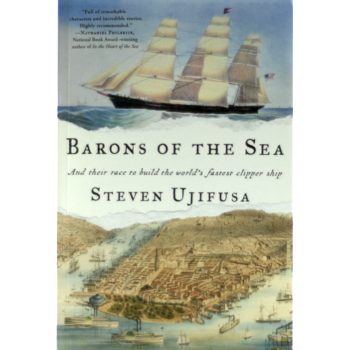
Barons of the Sea: and their race to build the world’s fastest clipper ship
$
20.00
Purchase
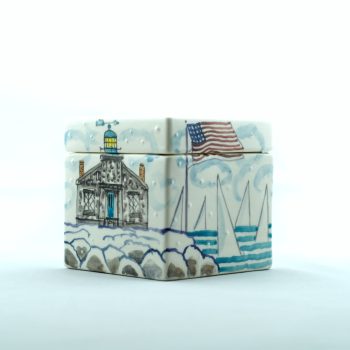
Box – Historic Stonington in Winter
$
75.00
Purchase
Neck Tie – Cannons
$
40.00
Add to cart
Sailor Ed’s T-shirt
$
30.00
Close Menu
BUY TICKETS
CANNONBALL 2024 TICKETS AVAILABLE HERE
VISIT
Visit Overview
The Lighthouse Museum
Palmer House Museum
Woolworth Library & Research Center
Woolworth Library & Research Center
Research Assistance
Historic House Program
Search Digital Catalog
Preservation Properties: The Arcade & Ocean Bank
Stonington Historic Walking Tour
PROGRAMS &
EVENTS
Calendar
Online Exhibits & Resources
Video Library
The Cannon Ball 2024: Voyage on the Houqua
Weddings & Rentals
EDUCATION
Group & School Visits
Stonington Historic Walking Tour
JOIN &
SUPPORT
Overview
Membership
Donate
Lighthouse Museum Campaign
Volunteer & Careers
SHOP
Gift Shop
Tickets
My Cart